


Crooked feet in adulthood is not unusual.This disease manifests itself in childhood and due to various conditions, not many people treat it to the end.Let's see how to fix the situation below.
Causes and risk groups
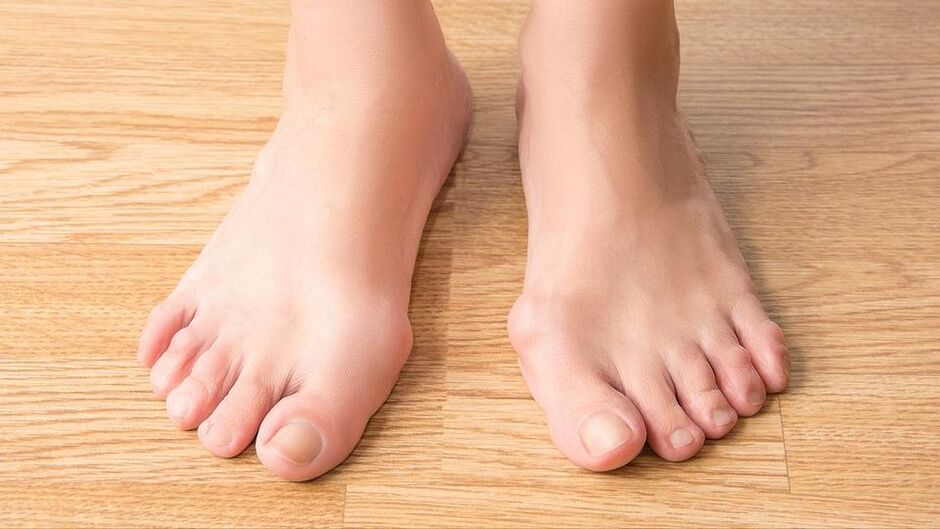
Outwardly, hallux valgus in adults looks as if a person falls inward when walking.As a result, this disease brings discomfort when moving or static pressure on the legs.
The main phenomena that lead to curvature:
- problems related to improper development and formation of the lower leg in the prenatal period;
- wearing ill-fitting shoes while the feet are growing;
- dysplasia;
- hormonal changes in the body with metabolic disorders;
- previous diseases (paralysis, osteoporosis);
- obesity or sudden weight gain due to pregnancy and gestosis;
- leg and ankle injuries.
Crooked feet can happen to anyone, but more often these are women under the age of 35 who spend a long time on their feet (teachers, models, salespeople, health workers), or people involved in athletics.
Types and degrees
There are several types of foot deformities:
- Static - expressed by problems with the spine.
- Structural - due to the peculiarity of the position of the talus.
- Compensation – the Achilles tendon is shortened with a partial transfer of function to the ankle.
- Paralysis - after a previous illness.
- Cramps.
- Hypercorrectional - caused by improper treatment of a previously identified pathology.
- Rachitic.
- After trauma and rupture of the ligament apparatus.
Hallux valgus in adults has several degrees of severity:
- the first is joint deformation with foot subluxation;
- the second is tendon displacement and curvature of the thumb;
- the third is a pathological process of bone tissue, where the fingers deviate by 20 degrees;
- the fourth degree is the culmination of changes with the extinction of leg function and the spread of the disease to the ankle joint and above.This disease brings constant discomfort, which cannot be corrected by conservative means.
symptoms
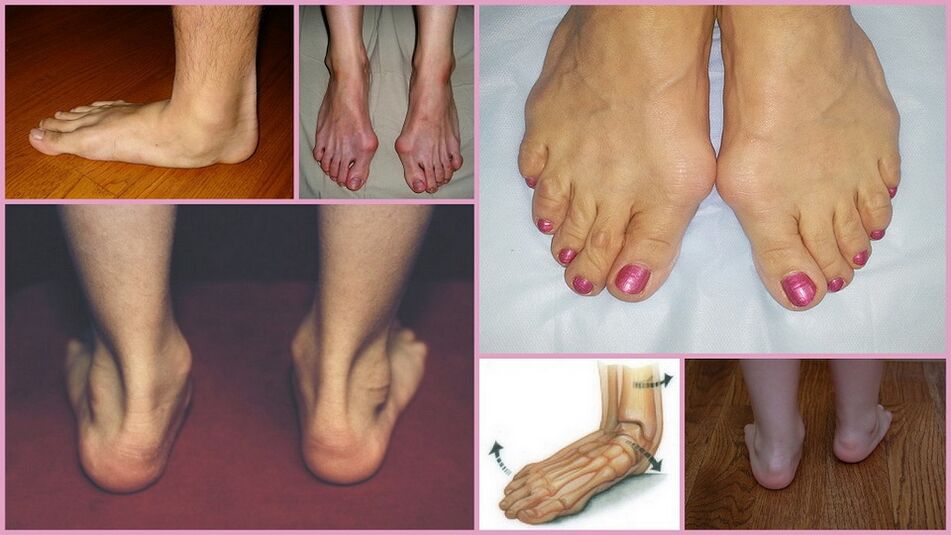
In adults, the manifestations of plano-valgus feet are as follows:
- swelling in the lower part of the leg;
- severe pain (foot pain in the area of the metatarsal bone);
- persistent corns, calluses;
- back pain, problems with posture;
- fatigue and discomfort in the legs that do not go away with rest;
- spasms, spasms;
- change shoe size;
- external deformation;
- gait impairment (sag);
- concomitant joint disease, myositis.
How dangerous is the pathology?
Adults with hallux valgus have a high risk of developing a disease that leads to disability, as the deformed foot may lose its function.
Not only the function of walking upright suffers: pathology leads to varicose veins, joint problems, curvature of the spine, migraines, the development of diabetic feet, transverse flat feet and the appearance of heel spurs.
Diagnostics
Before making a diagnosis, the doctor must determine the degree and type of pathology through examination:
- History taking and external examination.
- Palpate the defect area.
- X-ray in three projections.
- If necessary, CT, MRI.
- Consultation with a specialist when identifying concomitant diseases.
Characteristics of hallux valgus treatment in adults
Therapy for the disease must be comprehensive and include several methods.The recovery process is long and requires strict adherence to all medical instructions.
Medicines (systemic and local)
Treatment with medications is designed to relieve leg pain and reduce inflammation.For this purpose, NSAIDs are prescribed with doses selected taking into account additional diseases, because the drugs affect the function of the stomach.Medicines can be used either topically in the form of creams and ointments, or in the form of tablets or injections.
If the patient is disturbed by severe swelling, diuretics are prescribed for a short course (no more than three days).
During the treatment period, it is important to take vitamins and minerals to strengthen bone tissue and ligaments.
Orthopedic device
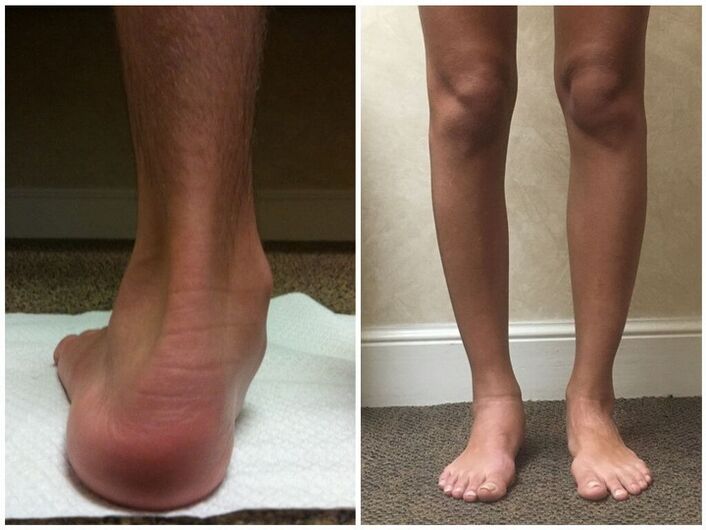
This group of products is used to fix and maintain the feet in the correct position.It is recommended to wear it regularly not only for therapeutic purposes, but also as a preventive measure.
- Insoles help the foot distribute the load when walking and are necessary in the fight against flat feet and deformities.
- Orthopedic shoes are made to order, taking into account the degree of pathology.It secures the feet tightly, preventing the disease from getting worse.
- Valgus braces are intended for bunions when correction of this area is needed.
All orthopedic devices are selected individually after visiting an orthopedic specialist.
massage
Massage sessions can be carried out several times a year, 10 procedures per course.This manipulation restores blood circulation in the affected area, strengthens muscles and ligaments.
Before the massage, it is advisable to take a warm foot bath with anti-inflammatory herbs.Movements should be circular, rubbing or heating, without additional trauma to the deformed area.
At home, it is recommended to do self-massage every day after a hard day.
Exercise therapy
Exercises to strengthen the legs should begin after signs of inflammation have subsided.Before starting physical exercise, you need to warm up your muscles and massage your legs.
Main complex:
- A circular movement of the ankle, pulling the foot towards and away from you.
- Lying on your back - mimics riding a bicycle.
- Movement of each finger separately.
- Roll from toe to heel.
- Grab a small object off the floor with your feet.
- Drawing with a marker held on the toe on a sheet of paper.
- Rolling a bottle or roller while sitting.
- Walk on your toes, heels and sides.
- Leg muscle tension and relaxation.The exercise must be performed while sitting on the floor with the lower limbs straightened.
Movement should not bring discomfort or unpleasant sensations.The number of approaches and repetitions should be increased gradually.
Physiotherapy
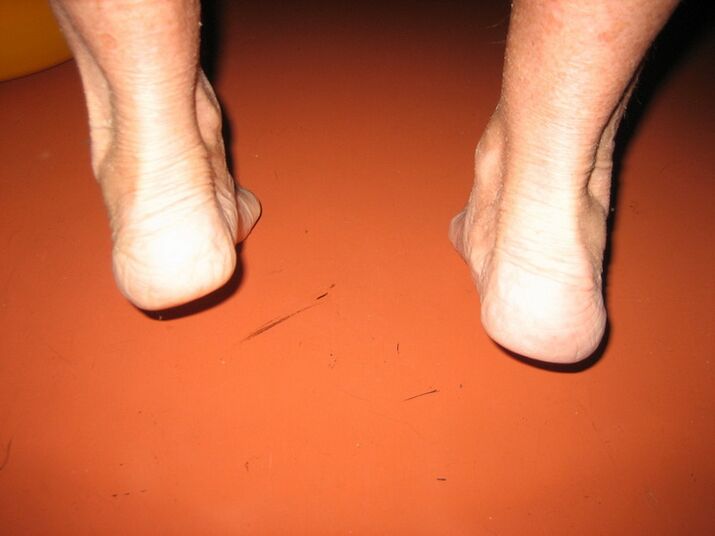
A regular course of procedures can relieve pain, muscle spasms and restore microcirculation in the tissues, as well as strengthen the planovalgus foot ligaments, stopping the deformation process.
Basic techniques:
- ultrasound - acceleration of metabolism and removal of salts from problem areas;
- laser - reduces inflammation and swelling;
- UVT - normalizes blood circulation;
- magnet - heats spasmodic tissue;
- mud application, ozokerite.
You should not independently add or cancel the prescribed course of physiotherapy without consulting a doctor, as this may cause the problem to worsen.
People's recovery
It is not practical to treat hallux valgus at home, but alternative medicine can alleviate the patient's condition before seeing a doctor.
Popular recipes:
- Pour madder with warm water and boil in a water bath, then cool the composition and take half a glass before meals 3 times a day.
- Dry dandelion flowers, grind them into a powder, add iodine and apply to the area where the growth forms.
- Mix mustard and bodyaga in equal proportions, add turpentine, oil and lubricate your feet before going to bed.
- Knead the propolis, warm it a little in your hands and apply it to the deformation zone.Leave overnight, cover with a bandage.
Surgical intervention
If there is no effect from conservative methods, as well as in the case of hallux valgus deformity of 3-4 degrees, surgical treatment is recommended.
Surgical procedures have two directions - traditional and laser.
The first type of operation is performed under general anesthesia with the use of plaster splints for several weeks and requires a recovery period.
Laser treatment comes in several forms:
- exostectomy - removal of bone growth with correction of the external shape of the leg;
- cutting the phalanx of the big toe and fixing it in the correct position;
- arthroplasty - incision of the defect and, if necessary, joint replacement, tendon transfer.
Prevention
Following simple steps will help prevent the development of the disease:
- Follow the principles of proper nutrition.
- Elimination of bad habits.
- Weight control.
- Moderate physical activity.
- Proper organization of daily breaks.
- Self massage and exercise therapy.
- In summer - walk barefoot on sand, small gravel, and earth.
- Use of insoles and orthopedic braces.
- Comfortable shoes without high heels.
- Compliance with safety precautions at home and on the street.
- Regular medical examination.
If you see the first signs of deformation, you should not delay solving the problem.If you start treatment at an early stage, the disease will disappear forever, and the person will return to the normal rhythm of life without pain.